
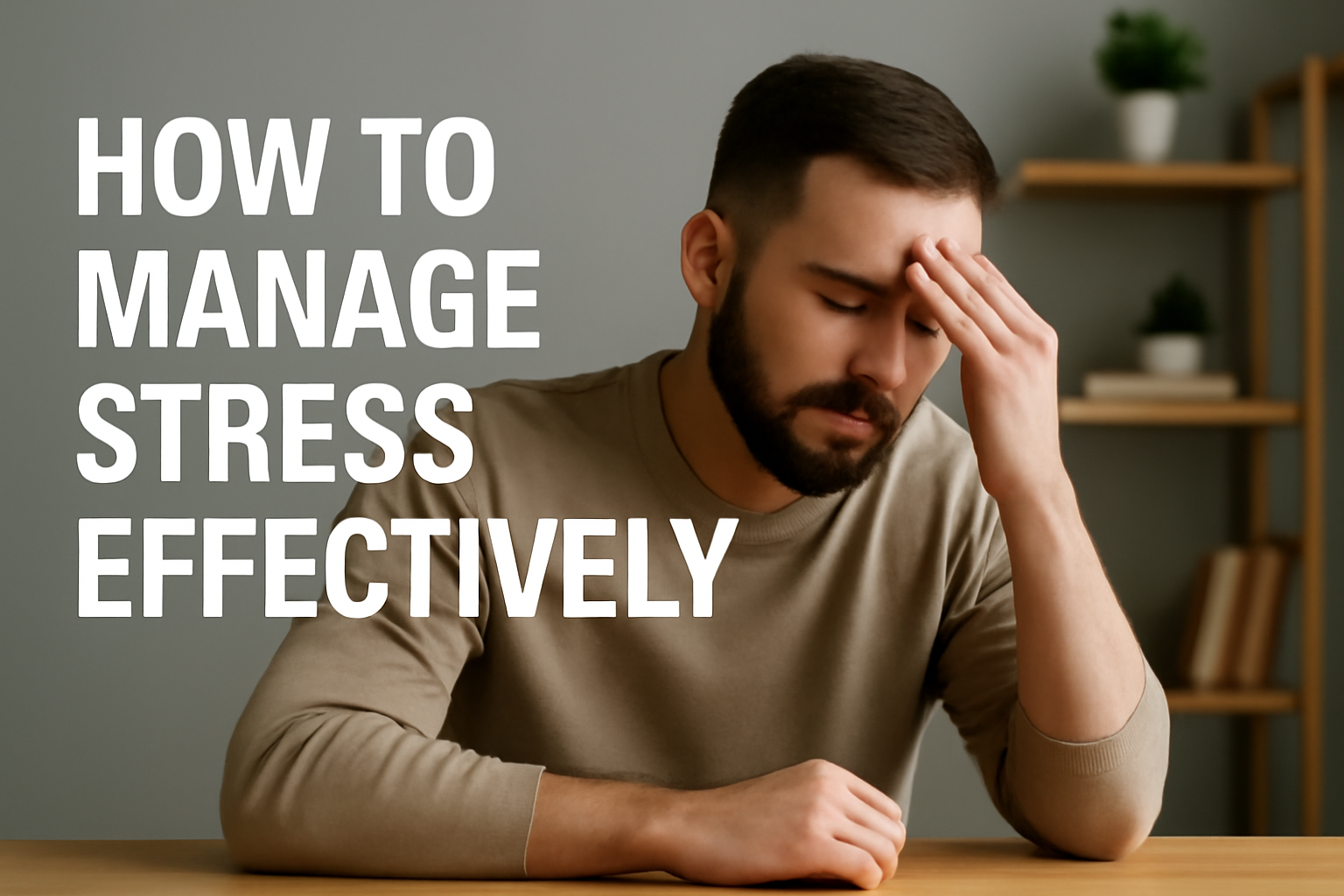
Why Stress Management is Crucial for Your Health
Stress is a natural part of life. Whether it’s related to work, personal relationships, or external challenges, stress can be both a motivator and a hindrance. While stress can help us stay alert and focused, prolonged or unmanaged stress can have a detrimental effect on our physical and mental health. If left unchecked, it can lead to burnout, anxiety, depression, and a range of health problems such as heart disease and high blood pressure.
Effective stress management is essential for maintaining overall health, well-being, and productivity. By learning how to manage stress in healthy ways, you can reduce its negative impact and lead a more balanced, fulfilling life. In this article, we’ll explore the importance of stress management and share practical techniques for managing stress effectively.
The Impact of Chronic Stress
When stress becomes chronic, it can have severe effects on both your body and mind. Here are some of the most common consequences of unmanaged stress:
1. Physical Health Problems
Chronic stress can lead to various health issues, including:
- Increased risk of heart disease
- High blood pressure
- Weakened immune system
- Digestive issues
- Sleep disturbances
2. Mental Health Struggles
Stress can also negatively impact your mental well-being, leading to:
- Anxiety
- Depression
- Fatigue and burnout
- Decreased focus and concentration
3. Relationship Strain
Stress can take a toll on your relationships, as it may cause irritability, mood swings, and difficulties in communication. Unmanaged stress can also lead to avoidance behaviors, further damaging personal and professional relationships.
4. Decreased Productivity
When you’re stressed, it’s harder to concentrate, make decisions, and stay focused on tasks. This can result in decreased productivity, mistakes, and a feeling of being overwhelmed by responsibilities.
How to Manage Stress Effectively
Managing stress requires intentionality and the right strategies. By using a combination of techniques, you can regain control over your stress levels and cultivate a sense of calm. Here are some practical ways to manage stress effectively:
1. Identify Your Stressors
The first step in managing stress is identifying what’s causing it. While some stressors are unavoidable, understanding the sources of your stress can help you take proactive steps to address them.
How to Do It
- Keep a stress journal to track when and where you feel stressed.
- Identify patterns and recurring stressors.
- Acknowledge how you react to different stressors (e.g., do you become anxious, angry, or withdrawn?).
Why It Works
By identifying the specific sources of stress, you can take steps to eliminate or minimize their impact. Understanding your stress triggers also helps you respond more effectively when stress arises.
2. Practice Mindfulness and Meditation
Mindfulness and meditation are powerful techniques for managing stress. Both practices encourage being present in the moment, helping you detach from stressful thoughts and emotions.
How to Do It
- Practice deep breathing exercises for a few minutes each day.
- Try guided meditation apps like Headspace or Calm to help you focus on the present.
- Incorporate mindfulness into your daily routine by paying attention to your surroundings and sensations.
Why It Works
Mindfulness and meditation activate the relaxation response in your body, helping to reduce stress hormones and promote a sense of calm. These practices improve emotional regulation and allow you to respond to stress more mindfully.
3. Engage in Physical Activity
Exercise is one of the most effective ways to manage stress. Physical activity releases endorphins, which are natural mood boosters. Exercise also reduces the levels of stress hormones, such as cortisol, in your body.
How to Do It
- Aim for at least 30 minutes of moderate exercise most days of the week (walking, jogging, yoga, or swimming).
- Find an activity you enjoy, such as dancing, hiking, or playing sports.
- Take short breaks throughout the day to stretch or take a walk.
Why It Works
Regular physical activity helps reduce the physical effects of stress, such as muscle tension and elevated heart rate. It also improves sleep, mood, and energy levels, which can enhance your ability to cope with stress.
4. Manage Your Time Effectively
Poor time management can lead to stress and overwhelm, especially when you have too many responsibilities on your plate. Learning to manage your time effectively can reduce stress and help you stay organized.
How to Do It
- Prioritize tasks by importance and deadlines.
- Break tasks into smaller, more manageable steps.
- Use a planner or task management app to stay organized.
- Set realistic goals and avoid overcommitting.
Why It Works
Effective time management helps you stay focused and organized, reducing feelings of stress. By breaking tasks into manageable pieces and setting achievable goals, you can tackle stressors one at a time.
5. Foster Strong Social Connections
Having a support system is crucial for managing stress. Strong social connections help you feel understood and supported during difficult times. Talking to a trusted friend or family member can alleviate stress and provide emotional relief.
How to Do It
- Reach out to friends or family members when you’re feeling stressed.
- Join social groups or communities that align with your interests.
- Practice active listening in your relationships to create a supportive environment.
Why It Works
Social connections offer emotional support and help you cope with stress in healthier ways. Talking things through with someone you trust can provide clarity, reduce feelings of isolation, and lighten your emotional load.
6. Practice Self-Care
Self-care is an essential aspect of stress management. Taking care of your physical, emotional, and mental needs helps you recharge and reduces the effects of stress.
How to Do It
- Make time for activities that relax and rejuvenate you, such as reading, taking a bath, or enjoying a hobby.
- Get enough sleep (7–9 hours per night) to allow your body and mind to recover.
- Eat a balanced diet that nourishes your body and boosts energy levels.
Why It Works
Self-care helps you recharge and maintain balance. When you prioritize your well-being, you build resilience and improve your ability to cope with stress in the future.
7. Seek Professional Help
If your stress is overwhelming or persistent, seeking help from a therapist or counselor can be incredibly beneficial. Professional support can provide you with tools to manage stress and address underlying issues, such as anxiety or depression.
How to Do It
- Schedule an appointment with a therapist or counselor who specializes in stress management or mental health.
- Consider joining a support group where you can share experiences with others facing similar challenges.
- Explore online resources, such as virtual therapy sessions or stress management courses.
Why It Works
Professional support can provide you with coping strategies, emotional support, and guidance on managing stress. Therapists can help you uncover the root causes of stress and teach you healthy ways to cope.
Conclusion: Managing Stress for a Healthier Life
Stress is a natural part of life, but when left unmanaged, it can negatively impact your physical, emotional, and mental health. By using effective stress management techniques such as mindfulness, exercise, time management, and self-care, you can reduce stress and improve your well-being.
Remember, managing stress is an ongoing process. By practicing these strategies consistently, you can build resilience, improve your ability to cope with challenges, and lead a healthier, more balanced life.