
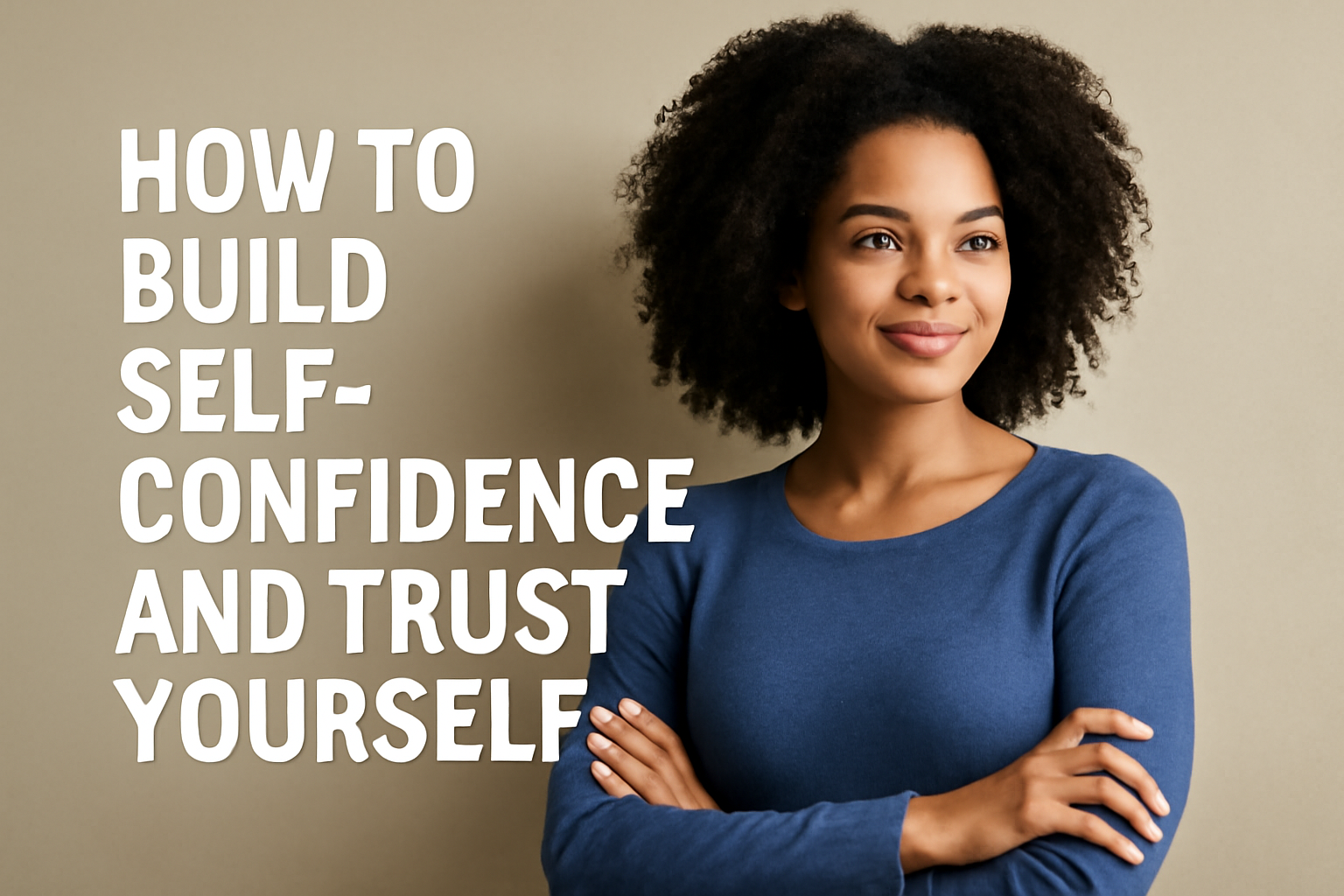
Why Self-Confidence is Essential for Personal Growth
Self-confidence is the belief in your abilities, qualities, and judgment. It’s a cornerstone of personal development, as it empowers you to take risks, pursue your goals, and overcome challenges. Without self-confidence, it can be difficult to take action or trust yourself in decision-making, which can hold you back from reaching your full potential.
Building self-confidence is not about being perfect or never doubting yourself. It’s about accepting yourself, embracing your strengths and weaknesses, and trusting that you have the inner resources to handle whatever comes your way. In this article, we’ll explore why self-confidence is so important and offer practical steps you can take to build and maintain it.
The Importance of Self-Confidence
Self-confidence is more than just feeling good about yourself. It influences how you approach life, your relationships, and even your career. Here are some of the key benefits of cultivating self-confidence:
1. Increases Resilience
Self-confidence helps you bounce back from setbacks and failures. When you trust in your abilities, you’re more likely to persevere through challenges and keep moving forward, even when things don’t go as planned.
2. Enhances Decision-Making
With self-confidence, you trust your instincts and judgment, which leads to better decision-making. Confidence enables you to take action without second-guessing yourself or being paralyzed by fear.
3. Improves Relationships
Confident people tend to have healthier, more fulfilling relationships. They are more likely to assert their needs, set healthy boundaries, and communicate openly and effectively with others.
4. Promotes a Positive Mindset
Self-confidence is closely linked to a positive mindset. When you believe in yourself, you approach life with optimism and hope, which attracts opportunities and helps you maintain motivation.
5. Reduces Self-Doubt and Anxiety
By building self-confidence, you reduce the influence of self-doubt and anxiety. When you trust yourself, you’re less likely to be overwhelmed by negative thoughts and worries, which allows you to stay focused on your goals.
How to Build Self-Confidence
Building self-confidence takes time and consistent effort, but it’s entirely achievable. Here are some practical strategies to help you develop and strengthen your self-confidence:
1. Practice Self-Acceptance
Self-confidence starts with self-acceptance. Embrace who you are, including your strengths, weaknesses, and imperfections. Accepting yourself as you are allows you to build a solid foundation for self-confidence.
How to Do It
- Practice self-compassion by treating yourself with kindness and understanding.
- Acknowledge your strengths and achievements, no matter how small they may seem.
- Stop comparing yourself to others and focus on your unique qualities and abilities.
Why It Works
Self-acceptance is the key to building authentic self-confidence. When you accept yourself, you stop seeking external validation and start trusting your own worth.
2. Set Achievable Goals and Celebrate Small Wins
Setting and achieving goals, no matter how small, is one of the most effective ways to build self-confidence. Each time you reach a goal, you reinforce the belief that you are capable and competent.
How to Do It
- Set SMART goals (Specific, Measurable, Achievable, Relevant, and Time-bound).
- Break down larger goals into smaller, manageable steps to prevent overwhelm.
- Celebrate each small win along the way to build momentum and reinforce your confidence.
Why It Works
Achieving goals—especially smaller, incremental ones—creates a sense of accomplishment and reinforces your belief in your ability to succeed. It builds positive momentum, which boosts confidence.
3. Challenge Negative Self-Talk
Negative self-talk is one of the biggest obstacles to building self-confidence. If you constantly tell yourself that you’re not good enough or that you’ll fail, you reinforce those beliefs. To build self-confidence, you need to challenge these negative thoughts and replace them with positive, empowering beliefs.
How to Do It
- Pay attention to your internal dialogue and recognize negative thoughts as they arise.
- Replace negative thoughts with positive affirmations or evidence of your abilities.
- Practice self-encouragement and focus on what you’ve achieved, not on your perceived shortcomings.
Why It Works
By challenging negative self-talk, you reprogram your mind to focus on your strengths and potential, rather than your fears and limitations. This shift in thinking helps build self-confidence over time.
4. Take Care of Your Physical and Mental Health
Physical and mental well-being play a huge role in self-confidence. When you feel good physically and mentally, you are more likely to feel confident in your abilities and appearance. Taking care of your body and mind reinforces the belief that you are worthy of success and happiness.
How to Do It
- Engage in regular physical activity, such as exercise or yoga, to improve your physical health and boost your mood.
- Prioritize good nutrition and sleep to keep your energy levels high and your mind sharp.
- Practice mindfulness or meditation to reduce stress and improve mental clarity.
Why It Works
When you take care of your physical and mental health, you feel better about yourself and your abilities. This, in turn, boosts your self-confidence and gives you the energy to take on challenges.
5. Step Outside of Your Comfort Zone
Self-confidence grows when you step outside your comfort zone and face your fears. Taking on new challenges, even small ones, helps you prove to yourself that you are capable of more than you think. With each new experience, you build confidence in your ability to handle the unknown.
How to Do It
- Identify areas where you feel stuck or fearful and take small, manageable steps to move beyond them.
- Try something new, whether it’s learning a new skill, taking on a leadership role, or speaking in public.
- Celebrate the courage it takes to try something outside your comfort zone, regardless of the outcome.
Why It Works
Pushing yourself to face new challenges reinforces the belief that you can overcome obstacles. Each experience builds your confidence and proves that you can handle whatever comes your way.
6. Surround Yourself with Positive, Supportive People
The people you surround yourself with can have a significant impact on your self-confidence. Being around people who uplift and encourage you helps reinforce your belief in yourself and your abilities.
How to Do It
- Spend time with friends, family, or colleagues who are positive, supportive, and encouraging.
- Avoid relationships that bring you down or diminish your self-worth.
- Seek out mentors or role models who inspire and challenge you to grow.
Why It Works
Positive, supportive relationships boost your self-esteem and encourage you to believe in your abilities. Surrounding yourself with people who lift you up helps you maintain confidence and motivation.
Conclusion: Building Self-Confidence is a Lifelong Journey
Building self-confidence is an ongoing process that requires patience, effort, and self-compassion. By practicing self-acceptance, setting achievable goals, challenging negative self-talk, taking care of your health, and stepping outside your comfort zone, you can strengthen your self-confidence and trust in your abilities.
Remember, self-confidence is not about being perfect—it’s about believing in yourself, even when things get tough. With consistent effort and practice, you can develop the confidence to tackle challenges, pursue your goals, and live a fulfilling life.