
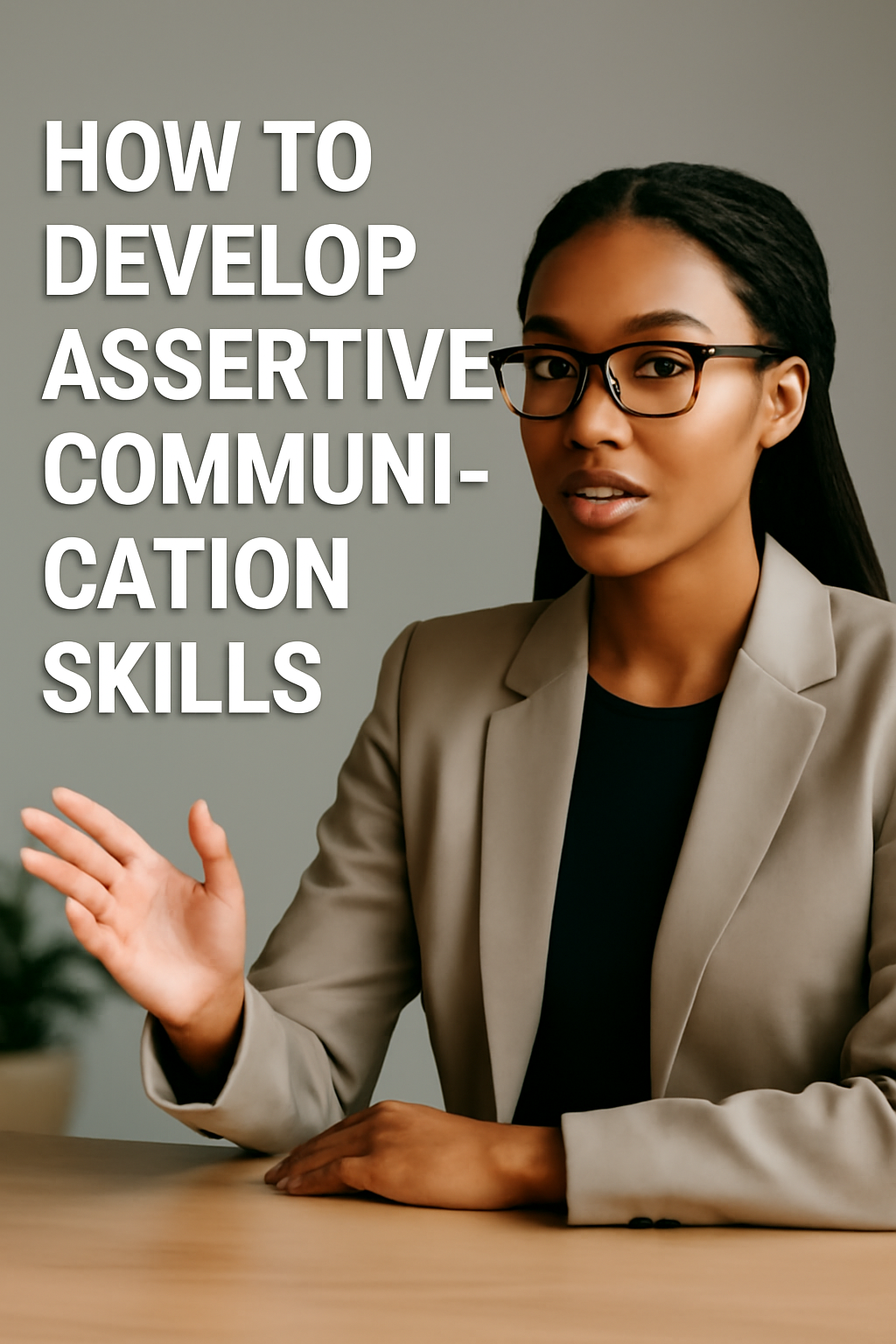
Why Assertive Communication Is Essential
Assertive communication is the ability to express your thoughts, feelings, and beliefs in an open, honest, and respectful manner. It is an essential skill for personal and professional growth, as it allows you to effectively communicate your needs and opinions without being passive or aggressive.
Being assertive helps you set healthy boundaries, express your desires confidently, and build stronger relationships. In this article, we’ll explore why assertive communication is important and offer practical tips for developing this skill.
What Is Assertive Communication?
Assertive communication lies between passive and aggressive communication. Passive communicators tend to avoid expressing their feelings or needs, often resulting in misunderstandings and frustration. Aggressive communicators, on the other hand, express their feelings in a way that can be disrespectful or hurtful to others.
Assertive communication involves expressing yourself clearly and respectfully while considering the perspectives of others. It helps you advocate for your needs without compromising your values or the feelings of others.
The Benefits of Assertive Communication
Developing assertive communication skills can have a profound impact on many areas of your life. Here are some of the key benefits:
1. Builds Self-Confidence
When you communicate assertively, you reinforce your own self-worth. Speaking up for yourself and expressing your thoughts and feelings in a clear and confident manner boosts your self-esteem and gives you a sense of control over your life.
2. Strengthens Relationships
Assertive communication helps you express your needs and boundaries while also respecting the needs and boundaries of others. This promotes mutual respect, trust, and understanding, which are essential for building strong and healthy relationships.
3. Reduces Stress and Resentment
When you communicate assertively, you’re less likely to bottle up your feelings or become passive-aggressive. By addressing issues directly and respectfully, you can avoid unnecessary stress and resentment in your personal and professional life.
4. Enhances Conflict Resolution
Being assertive helps you navigate conflicts more effectively. When you express your thoughts and feelings clearly, you’re more likely to find a solution that satisfies both parties, instead of allowing misunderstandings or passive-aggressive behavior to escalate.
How to Develop Assertive Communication Skills
While becoming more assertive takes practice, anyone can develop these skills with time and effort. Here are some practical tips for improving your assertive communication:
1. Understand Your Rights and Boundaries
To communicate assertively, you first need to understand your own needs, rights, and boundaries. Recognize that you have the right to express your feelings, set boundaries, and say no when necessary.
How to Do It
- Reflect on your personal values and boundaries.
- Be clear about what you’re willing to accept and what is not acceptable to you.
- Understand that your needs are just as important as the needs of others.
Why It Works
When you understand your own rights and boundaries, you’re better equipped to communicate assertively. You’ll be able to express your needs confidently, without guilt or hesitation.
2. Use “I” Statements
Using “I” statements is one of the most effective techniques for assertive communication. Instead of blaming or accusing others, “I” statements help you express your feelings and needs in a way that takes responsibility for your emotions.
How to Do It
- Instead of saying, “You never listen to me,” say, “I feel unheard when you interrupt me.”
- Instead of saying, “You’re making me angry,” say, “I feel angry when this happens.”
Why It Works
“I” statements focus on your feelings and experiences, which reduces defensiveness and helps others better understand your perspective. It fosters open and honest communication.
3. Practice Active Listening
Assertive communication is not just about expressing yourself—it’s also about listening to others. Active listening involves paying attention to the speaker, understanding their message, and responding thoughtfully.
How to Do It
- Maintain eye contact and nod to show you’re engaged.
- Avoid interrupting while the other person is speaking.
- Paraphrase what the other person says to ensure understanding, e.g., “What I hear you saying is…”
Why It Works
Active listening demonstrates respect for others’ opinions and creates a safe space for open communication. It encourages empathy and helps resolve misunderstandings before they escalate.
4. Use Body Language to Reinforce Your Message
Non-verbal communication is just as important as what you say. Your body language, tone of voice, and facial expressions all convey messages to others. To communicate assertively, ensure that your body language aligns with your verbal message.
How to Do It
- Maintain good posture—stand or sit up straight, with your shoulders back.
- Make eye contact, but don’t stare aggressively.
- Keep your tone of voice calm, clear, and even. Avoid sounding apologetic or aggressive.
Why It Works
When your body language matches your words, your message becomes more powerful and confident. People are more likely to listen and respond positively to assertive communication when your non-verbal cues are consistent with your verbal message.
5. Be Honest and Direct
Being honest and direct is at the core of assertive communication. This means expressing your thoughts and feelings clearly and truthfully, without sugar-coating or evading difficult topics.
How to Do It
- Speak clearly and to the point, without beating around the bush.
- Be honest about your needs and feelings, even if it feels uncomfortable.
- Avoid lying or withholding information in an attempt to please others.
Why It Works
Honesty fosters trust and clarity in communication. Being direct allows others to understand your true feelings and needs, which leads to more effective communication.
6. Learn to Say No
Learning to say no is an essential part of assertive communication. It’s okay to decline requests or set boundaries when something doesn’t align with your needs or values. Saying no respectfully ensures that you maintain control over your time and energy.
How to Do It
- When asked to do something that doesn’t align with your priorities, say, “I’m sorry, but I can’t take this on right now.”
- Use clear, direct language to express your boundaries.
- Don’t feel the need to justify your decision excessively—your no is enough.
Why It Works
Learning to say no empowers you to protect your time and energy. It reduces stress and prevents resentment from building up when you take on too many commitments.
Conclusion: Assertive Communication is the Key to Healthy Relationships
Assertive communication is an essential skill that can improve your relationships, reduce stress, and increase your self-confidence. By understanding your needs, using “I” statements, practicing active listening, and being honest and direct, you can develop the communication skills necessary for success.
Remember, assertive communication is about expressing your thoughts and feelings in a respectful and constructive way. By practicing these skills, you’ll build stronger, more fulfilling relationships both personally and professionally.