
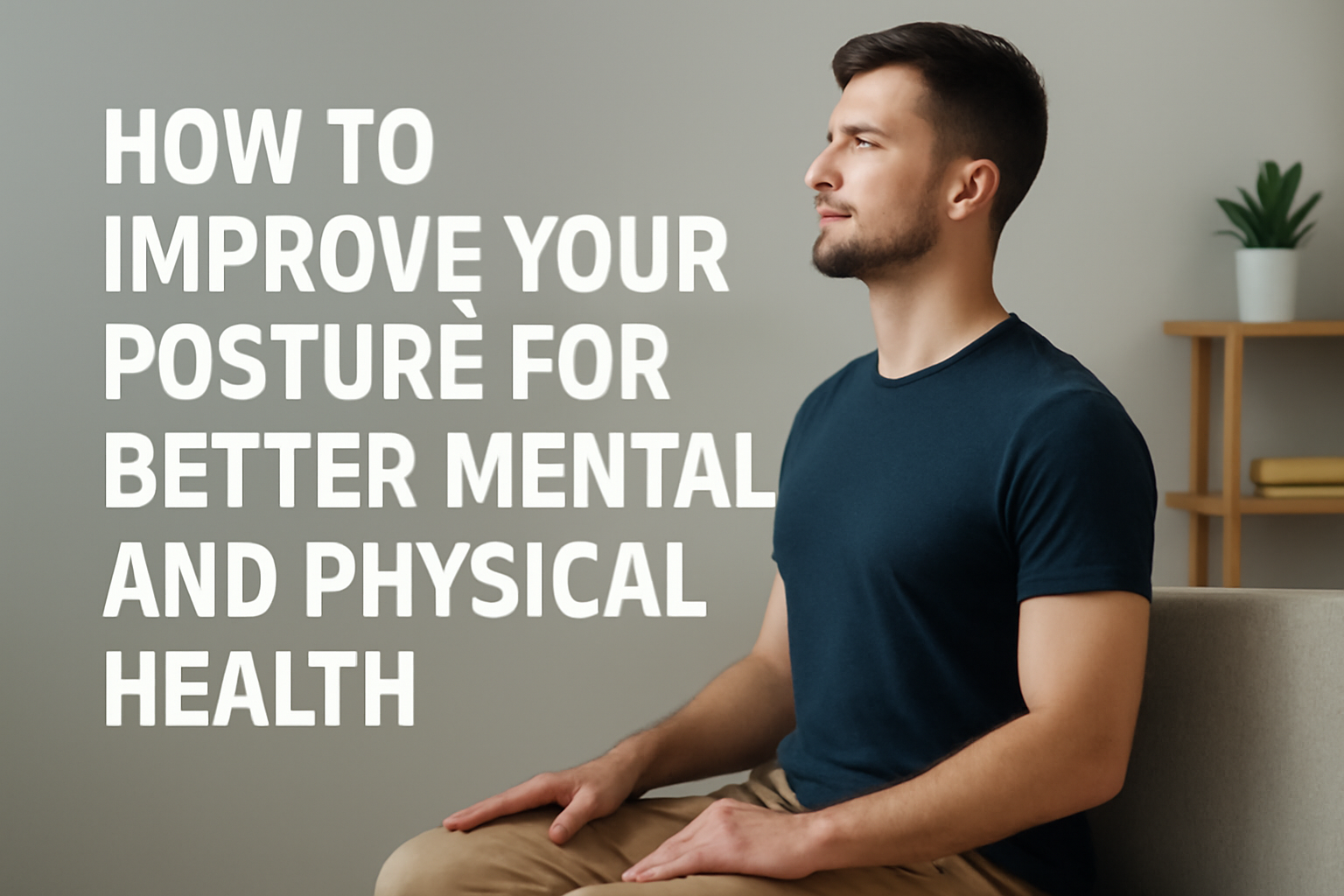
Why Posture Matters for Overall Well-Being
Good posture is often overlooked as a key factor in both physical and mental health. We typically think of posture as simply the way we stand or sit, but it plays a significant role in how our bodies function and how we feel. Poor posture can lead to a variety of physical issues, such as back pain, headaches, and poor circulation. Additionally, it can negatively affect our mood, confidence, and energy levels.
Improving your posture is not only about standing up straighter; it’s about taking care of your body in a way that promotes overall well-being. In this article, we’ll explore why posture is important for your health and provide practical tips to help you improve your posture for better mental and physical health.
The Impact of Poor Posture
Poor posture can have a significant impact on both your body and mind. Here are some of the common effects of bad posture:
1. Physical Health Issues
- Back and Neck Pain: One of the most common consequences of poor posture is back and neck pain. Slouching or hunching over puts unnecessary strain on your spine and muscles, leading to discomfort and stiffness.
- Headaches: Poor posture can contribute to tension headaches, as misalignment of the neck and spine affects blood flow and nerve function.
- Decreased Flexibility: Bad posture can lead to tight muscles, reduced mobility, and increased risk of injury.
- Poor Circulation: Sitting or standing with improper alignment can restrict blood flow, leading to discomfort and numbness, particularly in the legs and lower back.
2. Mental Health Impact
- Low Energy and Fatigue: Slumping or slouching can reduce oxygen flow to your brain and internal organs, leaving you feeling more tired and less focused.
- Decreased Confidence: Poor posture can make you appear less confident and capable. On the other hand, standing tall and adopting an open posture can enhance self-esteem and make you feel more powerful.
- Negative Mood: Studies have shown that adopting a slouched posture can negatively affect your mood, making you feel more stressed or anxious.
The Benefits of Good Posture
Improving your posture can have a wide range of benefits for both your physical and mental health. Here are some of the positive effects of adopting good posture:
1. Reduced Pain and Discomfort
When you maintain proper posture, your spine and muscles are better aligned, reducing strain on your body. This can alleviate chronic pain, including back, neck, and shoulder pain.
2. Enhanced Breathing
Good posture opens up your chest and diaphragm, allowing for deeper, more efficient breathing. This increases oxygen flow to your brain and muscles, improving energy levels and concentration.
3. Increased Energy and Focus
Standing or sitting upright increases circulation and reduces fatigue. With proper posture, you’ll feel more alert, focused, and ready to tackle tasks, whether at work or at home.
4. Improved Confidence
When you stand tall and maintain good posture, you naturally exude confidence and self-assurance. This can positively impact your interactions with others and improve your overall self-esteem.
5. Better Mental Health
Research has shown that good posture is linked to improved mood, reduced stress, and a greater sense of control. By improving your physical posture, you’re also helping to boost your mental health.
How to Improve Your Posture
Improving your posture doesn’t require drastic changes; it’s about being mindful of your body alignment and making small adjustments throughout the day. Here are some practical tips to help you improve your posture and promote better health:
1. Be Mindful of Your Alignment
The first step in improving your posture is becoming more aware of your body alignment. Pay attention to how you sit, stand, and move throughout the day.
How to Do It
- When standing, make sure your feet are hip-width apart, and distribute your weight evenly on both feet.
- Keep your shoulders back, your spine straight, and your chin slightly tucked in.
- When sitting, ensure your feet are flat on the ground and your knees are at a 90-degree angle.
- Avoid crossing your legs while sitting, as it can cause misalignment in your hips and spine.
Why It Works
Being mindful of your body alignment helps you make small corrections throughout the day. This can prevent poor posture from becoming a habit and reduce strain on your muscles and joints.
2. Strengthen Your Core
A strong core is essential for maintaining good posture. Your core muscles—abs, back, and pelvis—are responsible for stabilizing your body and supporting your spine. Strengthening these muscles will make it easier to maintain proper posture throughout the day.
How to Do It
- Incorporate core-strengthening exercises into your fitness routine, such as planks, bridges, and leg raises.
- Focus on exercises that target both the front and back of your core to ensure balanced strength.
- Practice engaging your core throughout the day by gently pulling your belly button toward your spine.
Why It Works
A strong core provides the stability and support needed to maintain proper posture, reducing the risk of pain and discomfort in your back, neck, and shoulders.
3. Take Frequent Breaks
If you sit at a desk for long periods, it’s important to take regular breaks to prevent stiffness and strain. Sitting for extended periods can lead to poor posture and discomfort, especially if you’re slouching or hunched over.
How to Do It
- Set a timer to remind yourself to stand up, stretch, and walk around every 30 minutes.
- Perform simple stretches to loosen up your shoulders, back, and neck.
- Walk around for a few minutes to get your blood flowing and prevent stiffness.
Why It Works
Taking breaks helps reduce the strain on your muscles and joints, allowing your body to reset and maintain good posture throughout the day.
4. Practice Proper Ergonomics
If you work at a desk, ensuring that your workstation is ergonomically designed can make a huge difference in your posture. Proper ergonomics promote spinal alignment and reduce strain on your body.
How to Do It
- Adjust your desk, chair, and computer monitor to ensure that your eyes are level with the top of your screen and your shoulders are relaxed.
- Use a chair with lumbar support to maintain the natural curve of your lower back.
- Keep your keyboard and mouse at a comfortable height to avoid straining your wrists and arms.
Why It Works
Proper ergonomics helps you maintain a neutral spine position and prevents poor posture habits from developing while sitting at your desk.
5. Stretch Regularly
Stretching is essential for maintaining flexibility and preventing tight muscles that can contribute to poor posture. Incorporating regular stretching into your routine helps keep your muscles and joints limber, which promotes better posture and reduces discomfort.
How to Do It
- Include stretches for your neck, shoulders, back, and hips in your daily routine.
- Practice gentle stretches throughout the day, especially if you’ve been sitting or standing for long periods.
- Try yoga or Pilates to improve your flexibility and overall posture.
Why It Works
Stretching helps maintain muscle length and flexibility, reducing tightness that can pull your body out of alignment. It also improves circulation and promotes relaxation, which benefits both physical and mental health.
Conclusion: The Power of Posture for Better Health
Improving your posture is a simple yet powerful way to boost both your physical and mental health. By being mindful of your body alignment, strengthening your core, taking regular breaks, practicing proper ergonomics, and stretching regularly, you can enhance your posture and reduce discomfort.
Remember, good posture is not just about looking confident—it’s about taking care of your body and mind. By making small adjustments to your posture throughout the day, you’ll feel better, move more easily, and experience improved overall well-being.