
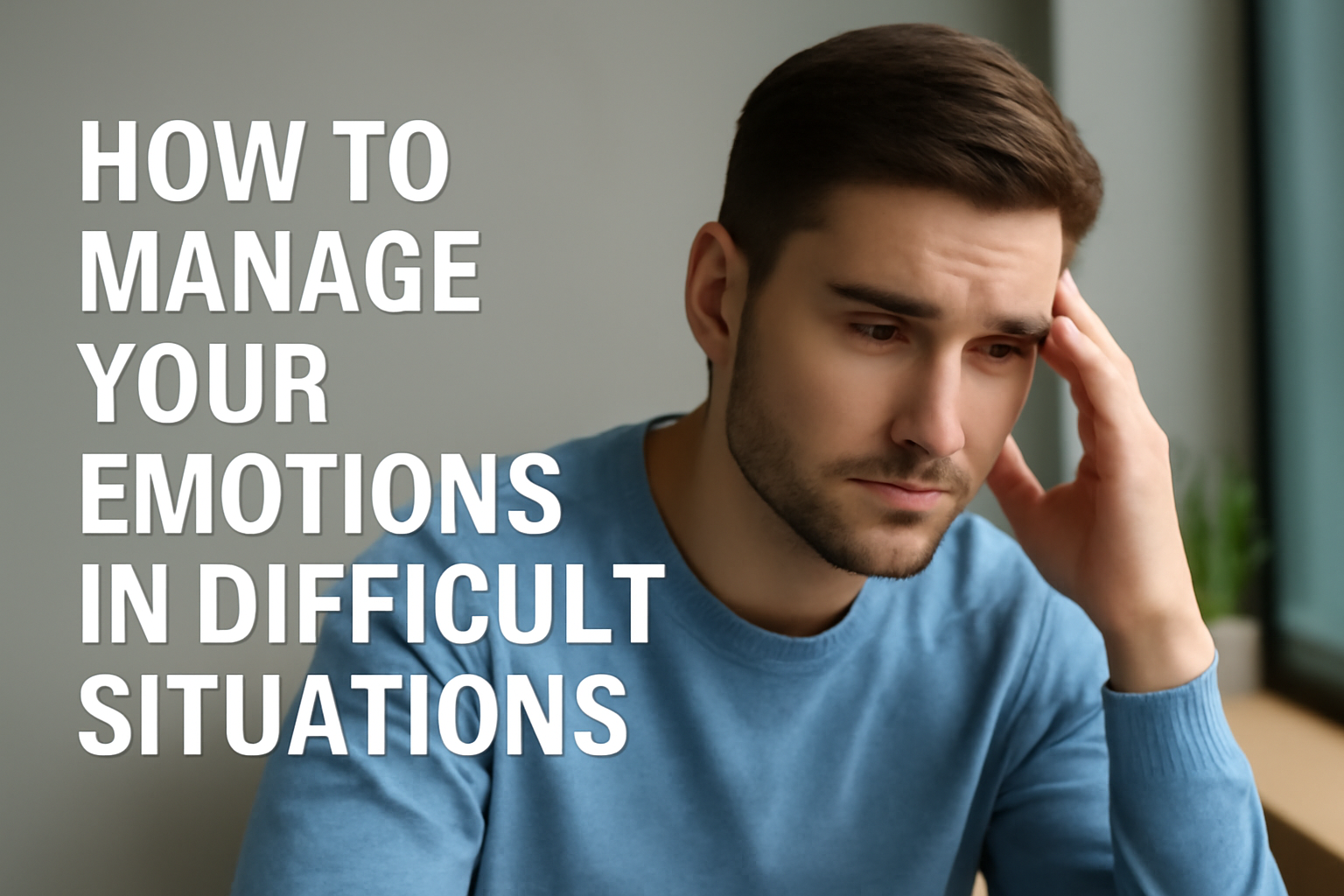
Why Managing Your Emotions is Important
Emotions are a natural part of being human, and they play a significant role in how we navigate our lives. However, in difficult or high-pressure situations, emotions can sometimes get the best of us, leading to impulsive reactions, misunderstandings, or even regrettable decisions. Learning to manage your emotions in these situations is crucial for maintaining your well-being, making thoughtful decisions, and improving your relationships.
Emotional regulation is not about suppressing or ignoring your emotions; it’s about recognizing and understanding them so that you can respond in a healthy and constructive way. In this article, we’ll explore why managing emotions is important and offer practical strategies for handling your emotions in difficult situations.
The Impact of Unmanaged Emotions
When emotions are left unchecked, they can lead to negative consequences in both personal and professional settings. Here are some of the ways unmanaged emotions can impact your life:
1. Impulsive Reactions
When emotions are not regulated, they can lead to impulsive reactions. You might say things you don’t mean, make hasty decisions, or engage in behaviors that you later regret.
2. Increased Stress and Anxiety
Unmanaged emotions, especially anger, frustration, or fear, can contribute to heightened stress and anxiety. These emotions can overwhelm your nervous system, leading to physical symptoms such as headaches, muscle tension, and difficulty sleeping.
3. Poor Communication
In emotionally charged situations, poor emotional regulation can lead to ineffective or harmful communication. Instead of listening and responding thoughtfully, you might become defensive, dismissive, or aggressive.
4. Damaged Relationships
Uncontrolled emotions can negatively impact relationships with friends, family, or colleagues. When you react impulsively or lash out, it can lead to misunderstandings, hurt feelings, and damaged trust.
The Benefits of Managing Your Emotions
On the flip side, effectively managing your emotions can have a profound impact on your life. Here are some of the benefits of emotional regulation:
1. Better Decision-Making
When you manage your emotions, you can think more clearly and make decisions that are more aligned with your long-term goals and values. You are less likely to act impulsively or react out of frustration.
2. Enhanced Relationships
Emotional regulation allows you to communicate more effectively, listen actively, and respond with empathy. This helps you build stronger, healthier relationships with others, both personally and professionally.
3. Improved Stress Management
Managing your emotions reduces the impact of stress. When you are calm and centered, you can handle challenging situations with greater ease and resilience.
4. Increased Emotional Resilience
Emotional regulation builds resilience by helping you bounce back more quickly from setbacks or disappointments. Instead of becoming overwhelmed by negative emotions, you learn to cope in a balanced way.
5. Better Mental and Physical Health
Emotional regulation has a positive effect on both your mental and physical health. By reducing stress and promoting emotional well-being, you can improve your overall quality of life and reduce the risk of chronic conditions such as heart disease or depression.
How to Manage Your Emotions in Difficult Situations
Managing emotions, especially in difficult situations, requires self-awareness, patience, and practice. Here are some practical strategies to help you manage your emotions more effectively:
1. Pause and Breathe
In the heat of the moment, it can be easy to let your emotions take over. The first step in managing your emotions is to create space between the trigger (the event that’s making you emotional) and your reaction. Pausing and taking a few deep breaths can help you regain control.
How to Do It
- When you feel your emotions escalating, take a deep breath in through your nose, hold for a few seconds, and exhale slowly through your mouth.
- Repeat this process a few times to calm your nervous system and give yourself a moment to reflect.
- Use this time to remind yourself that it’s okay to feel emotions but that you don’t have to react impulsively.
Why It Works
Deep breathing helps activate the parasympathetic nervous system, which calms your body and mind. By pausing before reacting, you allow yourself time to respond thoughtfully, rather than impulsively.
2. Recognize and Label Your Emotions
Self-awareness is key to managing your emotions. By recognizing and labeling your emotions, you can better understand what’s driving your feelings and take steps to regulate them. This can help you prevent knee-jerk reactions and increase your emotional intelligence.
How to Do It
- Take a moment to check in with yourself and identify what emotions you are feeling. Are you angry, frustrated, sad, or anxious?
- Label the emotion by saying to yourself, “I am feeling angry right now” or “I am feeling anxious.”
- Acknowledge that your feelings are valid but that they don’t have to dictate your actions.
Why It Works
By labeling your emotions, you gain clarity and increase your self-awareness. Recognizing your emotions helps you detach from them, so they don’t control your reactions.
3. Practice Self-Compassion
During difficult situations, it’s important to be kind to yourself. When you’re feeling overwhelmed by emotions, practicing self-compassion can help you manage your feelings in a healthier way.
How to Do It
- When you’re struggling with difficult emotions, remind yourself that it’s okay to feel the way you do.
- Speak to yourself kindly, as you would speak to a friend who is going through a tough time.
- Instead of being hard on yourself, practice self-kindness and acknowledge that everyone experiences difficult emotions.
Why It Works
Self-compassion helps reduce self-criticism and increases emotional resilience. When you treat yourself with kindness, you’re more likely to manage your emotions in a constructive way and avoid negative thought patterns.
4. Reframe Negative Thoughts
Often, our emotions are triggered by negative thoughts or beliefs. By reframing these thoughts, you can shift your perspective and reduce the intensity of your emotions. Reframing helps you see situations in a more balanced and realistic light.
How to Do It
- When you notice negative or distorted thoughts (such as “I’m never going to get this right” or “This is the worst thing that’s ever happened to me”), challenge them by asking yourself, “Is this thought really true?” or “What’s another way to look at this situation?”
- Replace negative thoughts with more balanced, positive ones, such as “This is a challenge, but I can handle it” or “I’m learning from this experience.”
- Practice viewing setbacks or difficult situations as opportunities for growth rather than failures.
Why It Works
Reframing negative thoughts helps you change your emotional response to situations. By focusing on more balanced, realistic perspectives, you reduce emotional distress and increase your ability to manage difficult emotions.
5. Use Positive Self-Talk
Positive self-talk is a powerful tool for managing emotions in difficult situations. By encouraging yourself and using affirming language, you can reduce anxiety, boost confidence, and stay calm under pressure.
How to Do It
- Practice repeating positive affirmations such as “I can handle this” or “I am capable of managing my emotions.”
- When you feel overwhelmed, remind yourself that you have the tools and resources to cope with the situation.
- Replace negative or self-critical thoughts with supportive, positive statements.
Why It Works
Positive self-talk reinforces your ability to manage your emotions and cope with difficult situations. It helps you stay grounded and focused, even when emotions are running high.
Conclusion: Mastering Your Emotions for Greater Well-Being
Learning to manage your emotions in difficult situations is a powerful skill that can improve your mental and physical health, enhance your relationships, and increase your overall well-being. By pausing, practicing self-compassion, reframing negative thoughts, and using positive self-talk, you can effectively regulate your emotions and respond to challenges with calm and clarity.
Remember, emotional management is a skill that takes practice. With time and effort, you can become more adept at managing your emotions and navigating difficult situations with resilience and grace.