
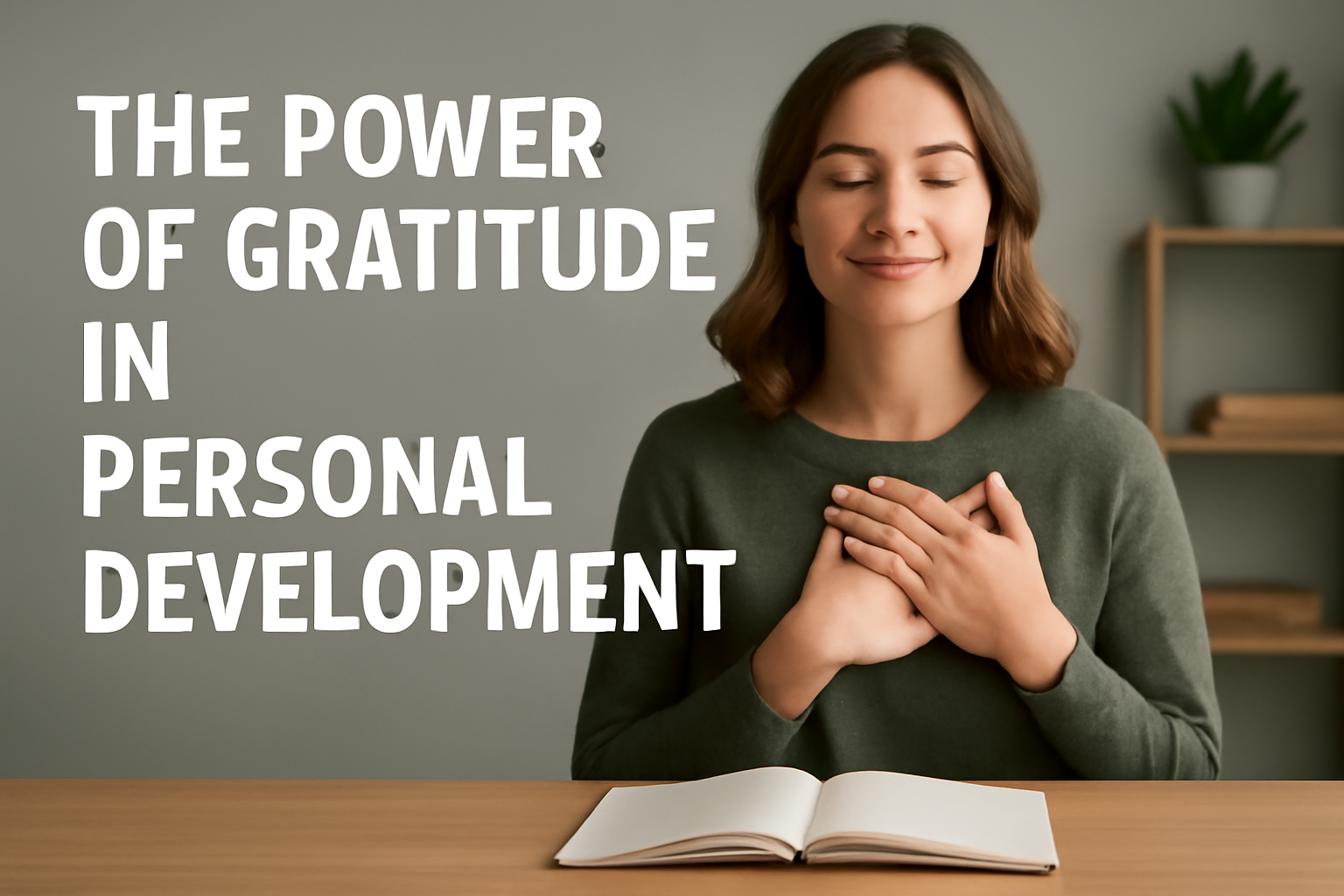
Why Gratitude is a Key Component of Personal Growth
Gratitude is more than just a polite gesture; it is a powerful force that can transform your life. It’s the practice of acknowledging the positive aspects of life, no matter how small they may seem. Practicing gratitude regularly has been linked to improved mental health, increased happiness, and better overall well-being.
When you focus on what you’re thankful for, it shifts your mindset from scarcity to abundance. Rather than concentrating on what’s lacking or going wrong, gratitude encourages you to appreciate what you already have. This shift can improve your resilience, strengthen your relationships, and help you navigate life’s challenges with a positive attitude.
In this article, we’ll explore how gratitude can fuel your personal development and provide practical ways to incorporate it into your daily routine.
The Science Behind Gratitude
Gratitude is not just a feel-good concept; it is backed by science. Studies have shown that practicing gratitude can have significant positive effects on the brain. When you express gratitude, your brain releases dopamine and serotonin, two neurotransmitters that play a key role in regulating mood. This chemical reaction leads to feelings of happiness, satisfaction, and overall well-being.
Additionally, gratitude has been linked to reduced levels of stress and anxiety. When you focus on the positive aspects of your life, it helps lower cortisol (the stress hormone), promoting a sense of calm and relaxation.
The Benefits of Gratitude in Personal Development
Gratitude is a simple yet powerful tool for personal growth. Let’s take a closer look at how practicing gratitude can contribute to various aspects of your personal development.
1. Improves Mental Health
One of the most significant benefits of gratitude is its positive impact on mental health. Gratitude can reduce symptoms of depression and anxiety by helping you focus on the positive aspects of your life, rather than dwelling on negativity. Regularly practicing gratitude can increase feelings of joy and contentment, while also reducing feelings of sadness and frustration.
2. Enhances Self-Esteem
Gratitude also plays a crucial role in building self-esteem. When you practice gratitude, you shift your focus from what you lack to what you already have. This shift helps you recognize your strengths and accomplishments, fostering a sense of self-worth. By appreciating yourself and the positive things in your life, you build a strong foundation for personal confidence.
3. Strengthens Relationships
Gratitude is an essential element of healthy relationships. When you express gratitude towards others, you show them that you value and appreciate them. This strengthens bonds, increases trust, and promotes a sense of connection. Additionally, expressing gratitude encourages a positive cycle of reciprocity, where both parties feel appreciated and motivated to continue their supportive behaviors.
4. Increases Resilience
Life is full of challenges, but gratitude can help you navigate them with greater resilience. When you practice gratitude, you develop a more positive outlook, which helps you approach adversity with a solution-oriented mindset. Instead of feeling defeated by setbacks, you are more likely to focus on how you can learn and grow from the experience.
5. Boosts Motivation
Gratitude can also increase motivation. When you express gratitude for the progress you’ve made, no matter how small, it encourages you to keep moving forward. Gratitude helps you recognize how far you’ve come, which boosts your confidence and inspires you to take the next steps toward your goals.
How to Cultivate Gratitude in Your Daily Life
Incorporating gratitude into your daily routine doesn’t require much time or effort, but the benefits can be profound. Here are some simple yet effective ways to practice gratitude:
1. Keep a Gratitude Journal
One of the easiest ways to start practicing gratitude is by keeping a gratitude journal. Each day, write down three things you’re grateful for. They can be big or small—anything from your health to a kind gesture from a friend. Writing things down reinforces the positive aspects of your life and helps you focus on the good.
2. Practice Gratitude Meditation
Gratitude meditation is another powerful way to cultivate a thankful mindset. Spend a few minutes each day sitting quietly and focusing on the things you are grateful for. You can start by visualizing people, experiences, or qualities that you appreciate, and then deepen your sense of gratitude by silently expressing thanks for each one.
3. Express Gratitude to Others
Take the time to express your gratitude to those around you. Whether it’s thanking a colleague for their help or telling a friend how much you appreciate their support, verbalizing your gratitude strengthens relationships and spreads positivity. Small gestures, like sending a thank-you note or complimenting someone, can make a big difference.
4. Practice Gratitude in Challenging Situations
Even during difficult times, there are opportunities to practice gratitude. When faced with a challenge, try to find something positive in the situation. It might be a lesson you’ve learned, a personal strength you’ve discovered, or the support you’ve received from others. Focusing on gratitude during tough times helps you maintain a positive perspective and boosts your resilience.
5. Create Gratitude Rituals
Incorporate gratitude into your daily rituals, such as mealtime or bedtime. Before eating, take a moment to express thanks for the food you have. Before bed, reflect on the positive moments of your day and express gratitude for the experiences, people, or opportunities you encountered.
Overcoming Common Obstacles to Gratitude
While gratitude has many benefits, it’s not always easy to practice, especially during difficult times. Here are a few common obstacles and how to overcome them:
1. Negative Thinking Patterns
Sometimes, negative thinking patterns can make it hard to focus on gratitude. If you’re struggling with negativity, start by making a conscious effort to identify positive aspects of your day, no matter how small. Practice replacing negative thoughts with positive ones and remind yourself of the things you’re grateful for.
2. Lack of Time
Many people think they don’t have enough time to practice gratitude, but it doesn’t take long. Even just five minutes a day can make a difference. Incorporating gratitude into existing habits, like while commuting or during meals, can make it easier to integrate into your routine.
3. Feeling Like You Don’t Have Anything to Be Grateful For
If you’re going through a tough time, it might feel like there’s nothing to be grateful for. However, even in difficult situations, there are things to appreciate. Focus on small wins, like your health, a supportive friend, or even a warm cup of coffee. Cultivating gratitude during tough times can help shift your perspective and improve your overall mood.
Conclusion: Gratitude as a Life-Changing Practice
Gratitude is one of the most powerful tools for personal development. It enhances mental health, increases self-esteem, strengthens relationships, boosts motivation, and helps you become more resilient. By making gratitude a regular practice in your life, you can experience profound changes in how you view yourself, others, and the world around you.
Start small—incorporate gratitude into your daily routine and watch how it transforms your life. With time, gratitude will become an integral part of your personal development journey, helping you grow into the best version of yourself.